


CS2 Skins as an Investment: A Practical Guide for U.S. Buyers
Blog

CS2 Skins as an Investment: A Practical Guide for U.S. Buyers
CS2 skins can be a surprisingly serious digital market when you treat it like collecting with a strategy, not like chasing hype. If you want a clean place to browse listings and track market vibes, AddSkins sits right next to the keywords that matter: CS2 skins, item prices, trading, liquidity, and long-term value. The real question is simple: what actually makes one skin hold value while another melts down? Skins aren’t stocks, but they do behave like scarce collectibles. A skin’s price is basically a tug-of-war between supply (how many exist, how many get opened, how many sit in inventories) and demand (how desirable the look is, how popular the weapon is, and how much the community is talking about it). Add in updates, esports moments, and the occasional trend wave, and you get a market that rewards patience more than it rewards adrenaline. Before you buy anything “as an investment,” understand the levers that move prices. Most big moves aren’t magic – they’re predictable reactions to changes in attention and scarcity. The easiest way to lose money in skins is to treat every purchase like a lottery ticket. A better approach is to think in “inventory quality” and “exit options.” If you had to sell your item next week, would someone realistically buy it? If the answer is “maybe,” you’re already taking more risk than you think. A practical rule: prioritize items that have consistent demand. You’re not trying to predict the next viral skin – you’re building a small collection of things other people already want, then letting time and scarcity do the heavy lifting. You don’t need a complicated spreadsheet to make solid picks, but you do need a filter. Here’s a short checklist that keeps you honest: Also, don’t ignore boring choices. Mid-tier items with steady demand can outperform “flashy” picks simply because they’re easier to sell without taking a haircut on price. Real investing is mostly risk control. In CS2 skins, that means avoiding all-in bets, respecting liquidity, and keeping your expectations realistic. Prices can move fast, and they can move for reasons you won’t see coming (updates, bans, market shifts, community sentiment). Try these habits: The market tends to punish impulse buying. If a skin has been climbing for days and everyone is suddenly “sure” it will keep going, that’s when you slow down. Patience is an edge because most people don’t have it. A calmer approach: look for periods when attention is lower, prices are stable, and sellers are competing for buyers. Then, set a target entry price and wait. The best investment purchase often feels a little boring when you click “buy.” Selling is harder than buying because emotions are louder. Greed says “hold forever,” fear says “sell everything now.” A healthier method is to define your exit plan before you need it. Consider selling when one of these happens: One more thing: keep your expectations grounded. Skins can appreciate, but they can also stagnate. The win is building an inventory you enjoy owning while you wait. If you hate what you hold, you’ll make emotional decisions the moment the chart gets ugly. Investing in CS2 skins is best when it’s steady, not dramatic. Focus on demand, scarcity, and liquidity. Buy with a plan, sell with a plan, and don’t confuse hype for fundamentals. If you do it right, your inventory becomes something you’re proud to own – and that mindset tends to produce better returns than chasing the loudest trend of the week.Investing in CS2 Skins: How to Think Like a Collector (Not a Gambler)
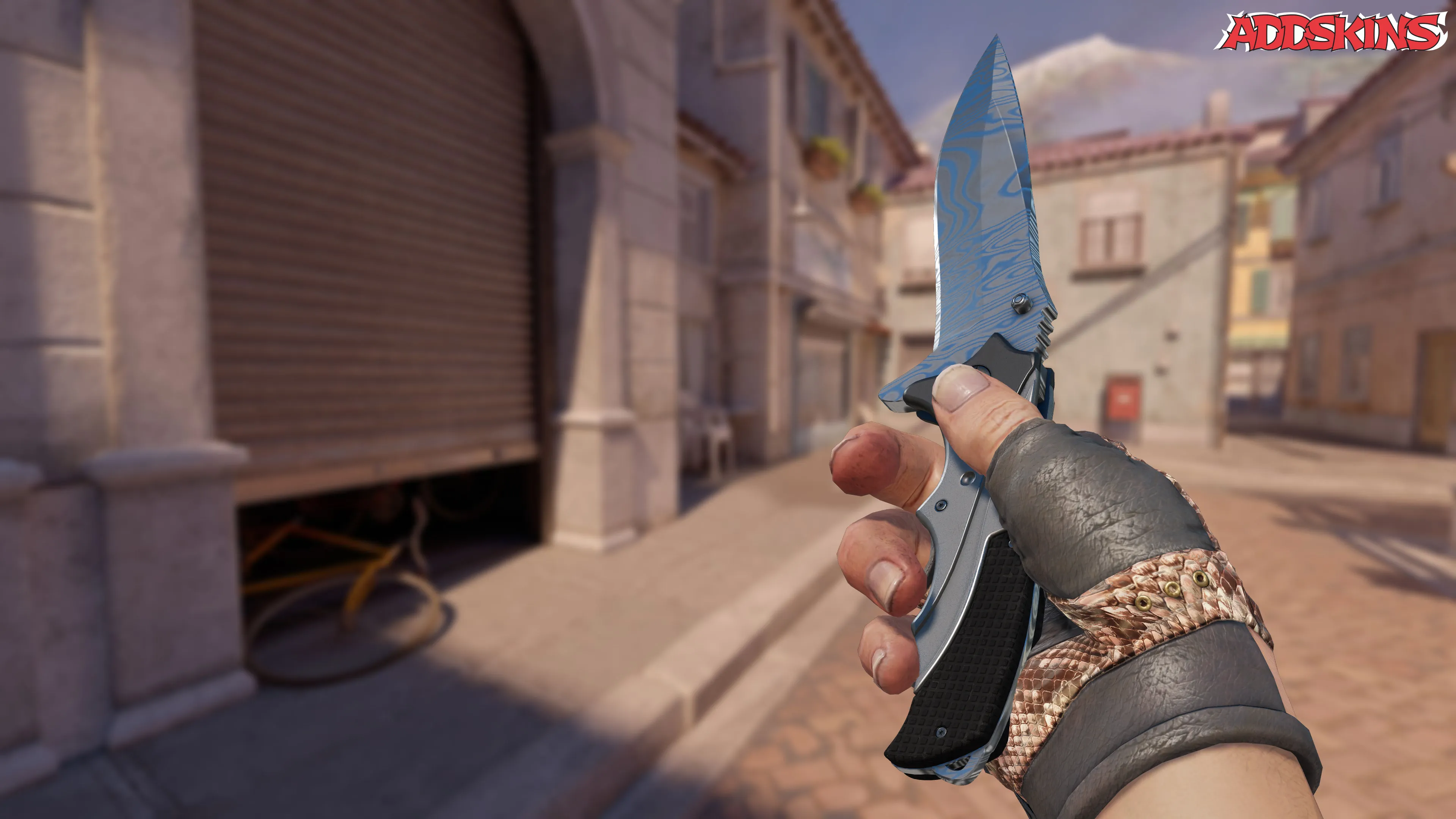
What Drives CS2 Skin Prices
A Simple Investing Mindset That Actually Works
Choosing Skins With Strong Long-Term Potential
Risk Management: The Part Everyone Skips
Timing: When to Buy and When to Chill
How to Know It’s Time to Sell
Final Thoughts